ANTHRO1610
Ethnographic Research Methods
This course introduces students to ethnographic research methods through a combination of reading, discussion, and practice. Students will read and engage with texts on various key elements of ethnographic research, with attention to the traditions of practice within the discipline of anthropology, critical methodological interventions throughout the discipline’s history, and new and emerging research methods. The readings and in-class discussions aim to engage students in the intellectual and ethical questions at stake in designing research projects. Students will also practice ethnographic methods discussed both within weekly discussions and in self-directed research projects. This hands-on work prepares students for ethnographic research through introduction to and dynamic feedback on ethnographic practice.

ANTHRO1691
Mobility in Asia
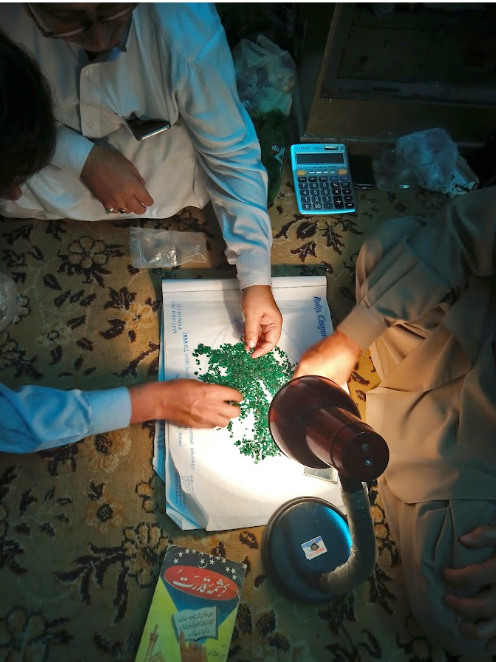
How does movement reshape our understanding of contemporary Asia? What happens when we shift our gaze from fixed places to flows of people, ideas, and things? In this introductory-level class in sociocultural anthropology, we explore how mobility creates new social landscapes across the region. Through anthropological methods—especially immersive fieldwork and ethnographic writing—we will examine how historical patterns of migration and present-day movements are shaped by structural dynamics of colonialism, imperialism, late capitalism, labor markets, trade networks, and supply chains. Through ethnographic encounters that reveal the complexity of mobility, this seminar guides students through key themes including contested borders, infrastructure development, maritime connections, and global supply chains. At the end of the class, students will develop conceptual tools to examine the mechanics of mobility, equipping them to address the pivotal questions emerging from our interconnected world.
ANTHRO
Introduction to Economic Anthropology: Markets, Morality, and Meaning
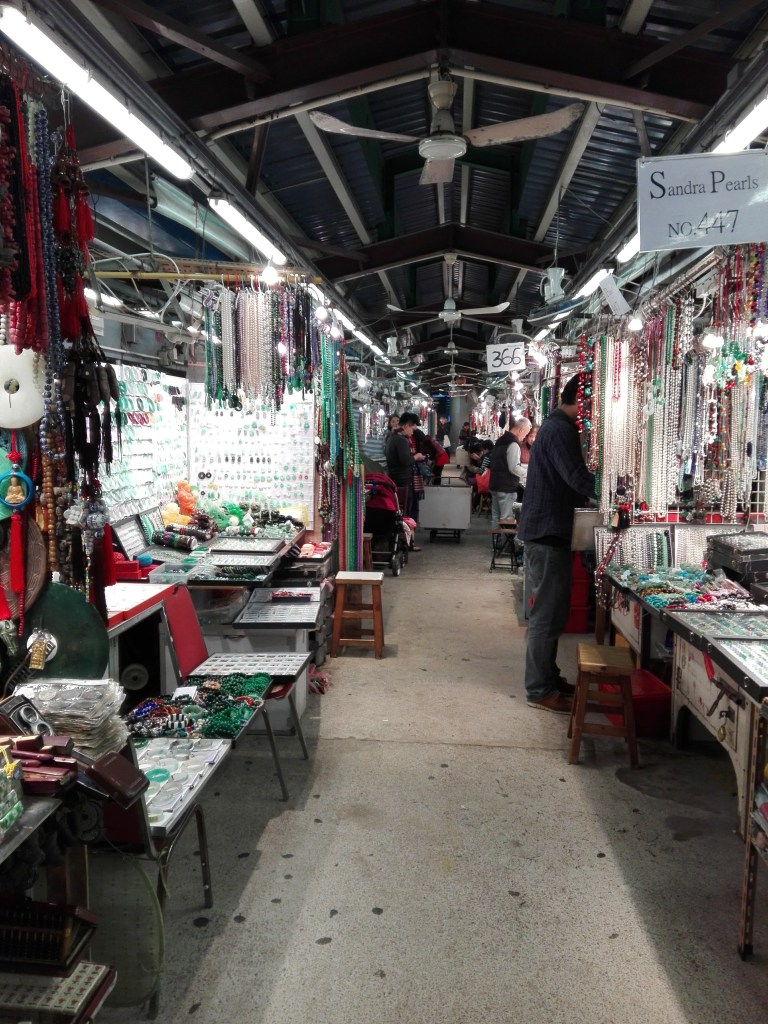
This course explores fundamental questions about economic life through an anthropological lens: What is a market, and how do different societies understand and practice exchange? How do gifts differ from commodities, and what happens when these categories blur? Why do some forms of exchange feel moral while others provoke discomfort? Through ethnographic studies spanning Melanesian gift economies to Wall Street trading floors, we examine how economic practices are deeply embedded in social relationships, moral values, and cultural meanings. The course challenges the notion of “the economy” as a natural, self-regulating system by investigating how economic life is shaped by political forces, cultural values, and social relationships. We explore how people create, measure, and exchange value across different cultural contexts, examining topics such as debt, labor, consumption, and money. By engaging with both classic anthropological theories and contemporary ethnographic research, students will develop critical perspectives on capitalism, neoliberalism, and alternative economic systems. The course moves from foundational debates about the nature of economic exchange to current questions about financialization, digital currencies, and economic inequality, encouraging students to reflect on how economic practices shape – and are shaped by – human relationships, moral values, and social power.
 Ping-hsiu Alice Lin